- Home
- Products
- About Us
- Factory Tour
- FAQ
- News
- Contact Us
Leave Your Message
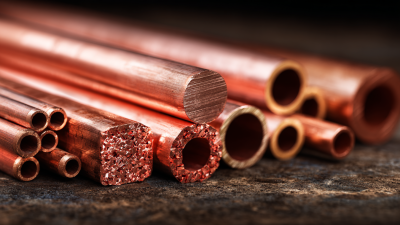
In the manufacturing world, choosing the right materials really matters if you want your products to be durable, functional, and cost-effective. One material that’s been grabbing more attention lately is Copper extrusion Parts. They’re known for their excellent conductivity and pretty good resistance to corrosion—pretty impressive, right? I recently came across a report from MarketsandMarkets that estimates the global copper market could hit a whopping USD 221.2 billion by 2025. A big part of that growth? The rising demand for copper extrusions, especially in automotive and electrical industries. The cool thing is, copper extrusions are super versatile—they’re used everywhere, from heat sinks to electrical connectors, which makes them a real game-changer.
If your company is looking to boost product performance without breaking the bank in the long run, opting for high-quality Copper Extrusion Parts is a smart move. Studies show that using top-grade copper can really improve efficiency and make your components last longer, which in turn helps keep manufacturing more sustainable. As industries push more towards innovation and quality, understanding what to look for when choosing copper extrusions becomes more important than ever. To help you out, I’ve put together five handy tips to make sure you’re making informed decisions when sourcing these parts—so your products hit the mark on quality and meet industry standards.

When it comes to copper extrusion, the material grade plays a pivotal role in determining thedurability and performance of the finished parts. Higher-grade copper alloys not only exhibit superior mechanical properties but also offer enhanced resistance to corrosion and wear. This is crucial for applications where the parts will be subjected to extreme conditions, as lower-grade materials may fail prematurely, leading to costly replacements and downtime.
Furthermore, selecting the right material grade goes beyond just performance; it also influences the manufacturability of the parts. Different grades of copper can affect the extrusion process itself, impacting factors such as flow characteristics and surface finish. Therefore, understanding the specific requirements of the application and aligning them with the appropriate copper grade is essential. By prioritizing material quality, manufacturers can ensure that their products not only meet industry standards but also provide customers with reliable, long-lasting solutions.
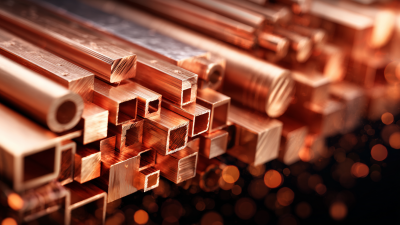
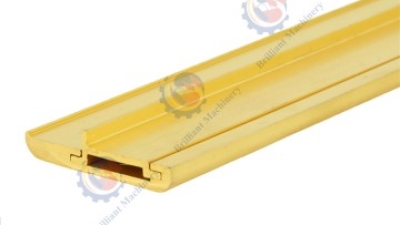
Special-shaped copper extrusions are transforming the HVAC industry by playing a pivotal role in the development of energy-efficient heating, ventilation, and air conditioning systems. These custom profiles are not merely aesthetic; they are engineered to enhance the performance of critical components such as heat exchangers and refrigerant lines. According to a recent industry report by MarketsandMarkets, the global HVAC market is projected to grow significantly, with a substantial portion attributed to advancements in material technology, including specialized copper extrusions.
The unique thermal conductive properties of copper allow for optimal heat transfer, which is crucial in maintaining energy efficiency in HVAC systems. Research indicates that systems utilizing specially designed copper extrusions can improve energy efficiency ratings by up to 30% compared to traditional materials. Furthermore, these extrusions are designed to withstand the high pressures and temperatures characteristic of heating and cooling processes, ensuring reliability and longevity in demanding applications. By incorporating custom-shaped extrusions, manufacturers can meet specific performance requirements, thereby driving innovations in HVAC technology and contributing to the industry’s sustainable growth.
In particular, the flexibility of custom profiles enables HVAC engineers to design systems that maximize space efficiency while adhering to stringent energy regulations. With regulations tightening around energy consumption, the need for innovative solutions like special-shaped copper extrusions is more critical than ever. As indicated by the American Society of Heating, Refrigerating and Air-Conditioning Engineers (ASHRAE), the integration of such advanced materials is not only beneficial for individual system performance but is also a crucial step toward achieving broader sustainability goals in the industry.
: Evaluating surface finish is crucial because a smoother finish can reduce friction and extend the lifespan of mechanical components by up to 20%, particularly in high wear applications.
A polished surface minimizes abrasive interactions, which can lead to premature failure, thereby enhancing wear resistance in copper components.
Research indicates that components with a superior surface finish can experience a decrease in wear rates by as much as 30%, emphasizing its significance in design and production.
The company enforces stringent manufacturing processes to achieve exceptional surface finishes, enhancing durability and overall functionality in various mechanical systems.
Customer reviews provide insights into real-world applications and the longevity of components, helping potential buyers understand the practical benefits based on user experiences.
Case studies showcase the effectiveness of copper extrusion parts in specific projects, illustrating their contributions to success through metrics like time savings and cost efficiency.
Reviews often focus on properties such as ductility, corrosion resistance, and thermal conductivity, which help buyers assess product performance.
Performance insights from past customers allow new buyers to make informed decisions by learning how parts have performed in similar industries and applications.
The company aims to set a global benchmark for manufacturing excellence and sustainability in the industry by focusing on the surface integrity of their products.
When selecting high-quality Copper Extrusion Parts, several key factors must be considered to ensure durability and performance. Firstly, the material grade of copper plays a crucial role in the longevity and functionality of the parts. Understanding metalworking tolerance standards is essential for achieving the precision required in high-performance applications. Moreover, evaluating the surface finish of the parts is vital, as it directly affects wear resistance and overall reliability.
Additionally, the manufacturing process should be scrutinized for both cost-effectiveness and strict quality control measures. Partnering with reliable suppliers who possess relevant certifications and a strong industry reputation can significantly impact the quality of the Copper Extrusion Parts. Finally, analyzing customer reviews and case studies provides valuable insights into the performance of these parts in real-world applications, aiding in making informed decisions. At Shaanxi Brilliant Machinery Co., Ltd., we embody these principles as we strive for manufacturing excellence and customer satisfaction.